










RFIDとは? RFIDのしくみを解説


RFID Tag Fundamentals

Basic InformationTechnology to Improve On-Site Management Efficiency
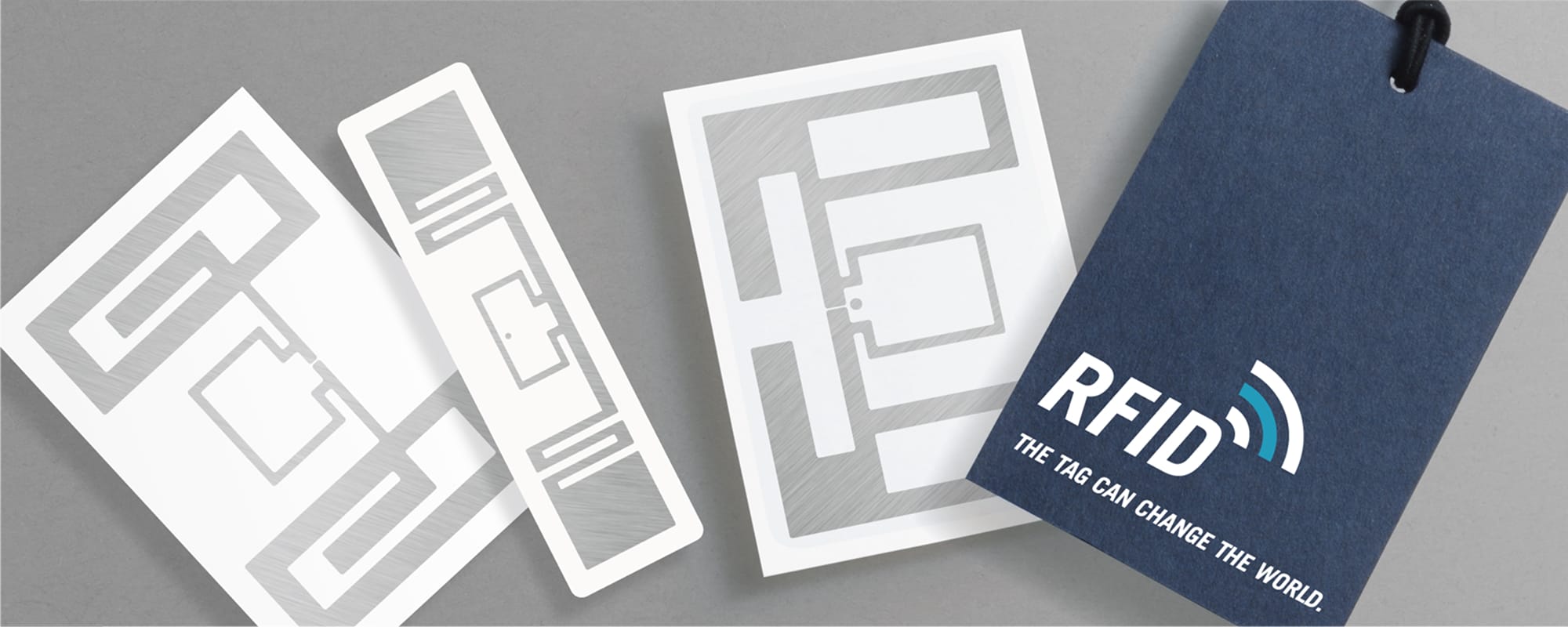
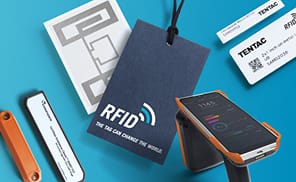
By attaching RFID tags (IC tags/RF tags) to products, it is possible to read all items within the radio wave range of an RFID reader at once.
Items can be identified at high speed even while inside cardboard boxes or bags, significantly improving the efficiency of inventory management, stocktaking, and distribution management. Currently, widespread adoption is progressing in industries including apparel, logistics, manufacturing, and healthcare, and RFID is attracting attention as a next-generation management method to replace barcodes.
Items can be identified at high speed even while inside cardboard boxes or bags, significantly improving the efficiency of inventory management, stocktaking, and distribution management. Currently, widespread adoption is progressing in industries including apparel, logistics, manufacturing, and healthcare, and RFID is attracting attention as a next-generation management method to replace barcodes.
Basic StructureBasic Structure of RFID Tags
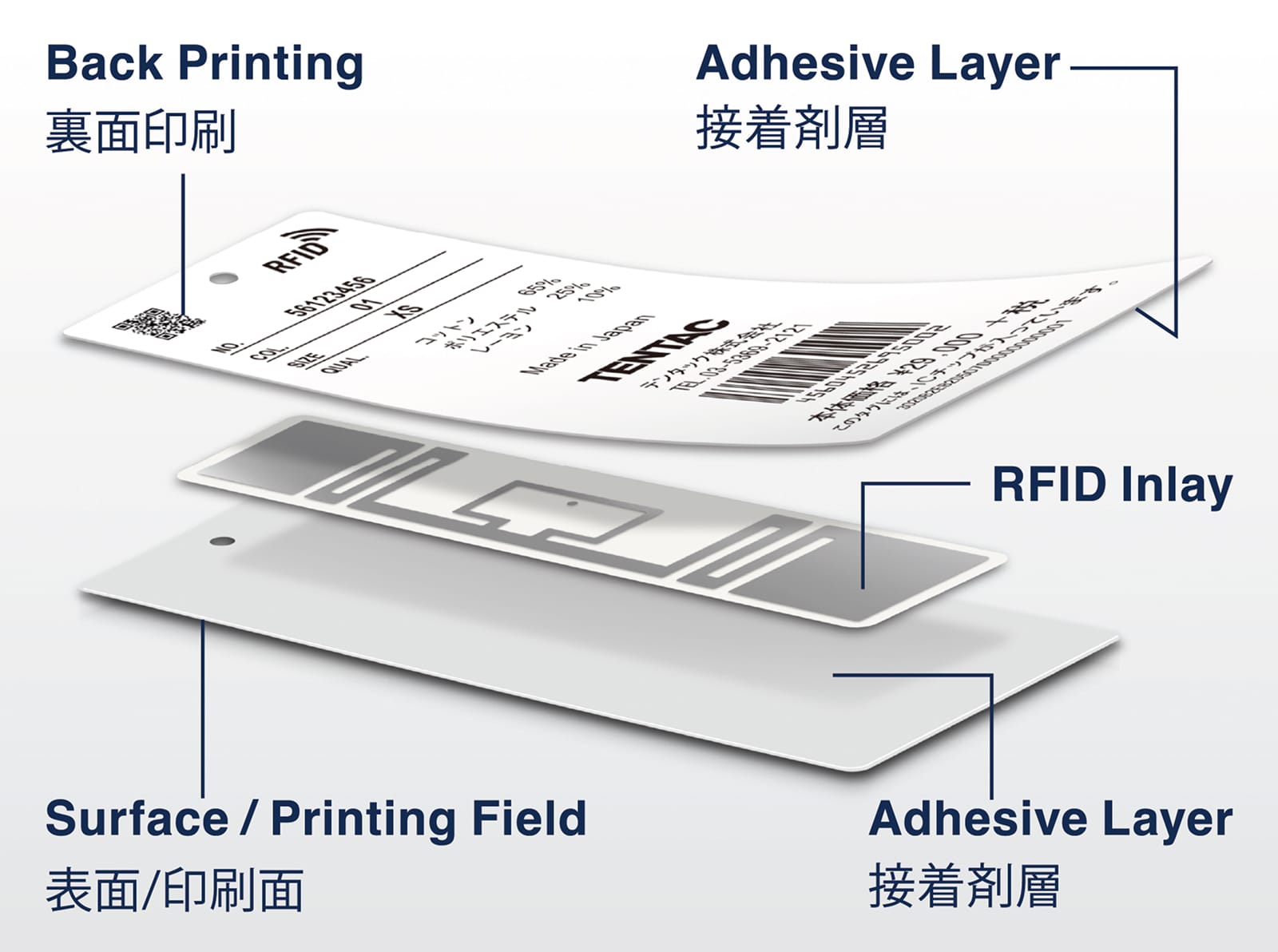
RFID tags (IC tags/RF tags) consist of an IC chip and an antenna combined together, which is called an “inlay.” Inlays are rarely used directly; they are typically enclosed in protective materials and used in the form of label tags or cards. For example, tags attached to price labels on apparel products or IC cards used as employee badges fall into this category.
| IC Chip | A small semiconductor element that records and manages data |
|---|---|
| Antenna | Receives and transmits radio waves necessary for communication with the reader |
Tag CharacteristicsDifferences Between IC Tags, RF Tags, and RFID
IC tags and RF tags refer to tags composed of an IC chip and an antenna.
“RFID” is often used almost synonymously with IC tags and RF tags, and is also a general term that includes RFID readers and the entire system.
Recently, the term “RF tag” has become more common, but fundamentally all refer to the same technology.
“RFID” is often used almost synonymously with IC tags and RF tags, and is also a general term that includes RFID readers and the entire system.
Recently, the term “RF tag” has become more common, but fundamentally all refer to the same technology.
| IC Tag | RF Tag | RFID |
|---|---|---|
| Refers to the tag itself | Same as IC tag | The entire technology for reading IC tags |
Tag TypesTypes of RFID Tags
RFID tags (IC tags/RF tags) come in multiple types depending on the presence or absence of a battery and the frequency used.
| Classification by Battery | Characteristics | Use Cases |
|---|---|---|
| Passive Tag | ||
| Active Tag | ||
| Semi-Active Tag (Semi-Passive Tag) |
| Classification by Frequency | Characteristics | Use Cases |
|---|---|---|
| UHF Tag | ||
| NFC Tag |
How to Select TagsHow to Select RFID Tags
When implementing RFID, it is important to select tags suited to the usage environment and purpose.
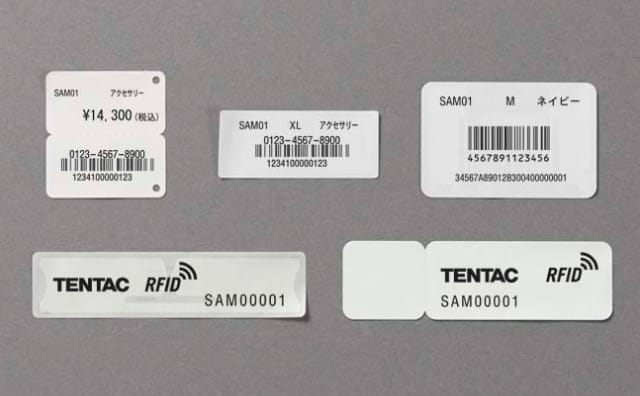
Highly Versatile RFID Stickers (Labels)
Widely used in apparel and logistics, these can be easily attached like stickers.
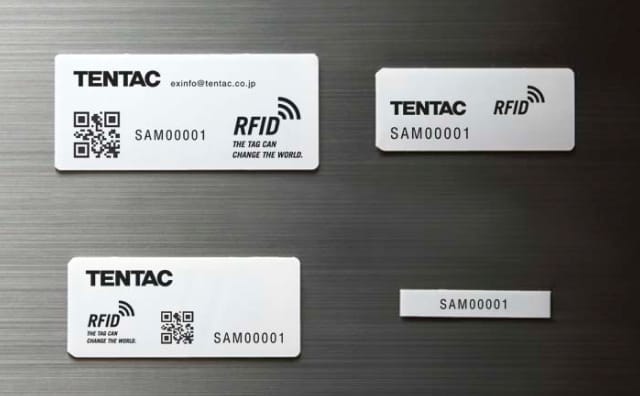
Resistant to Metal Interference Metal-Compatible Tags
Tags with special processing that can be read on metal surfaces, offering excellent waterproof and heat-resistant properties.
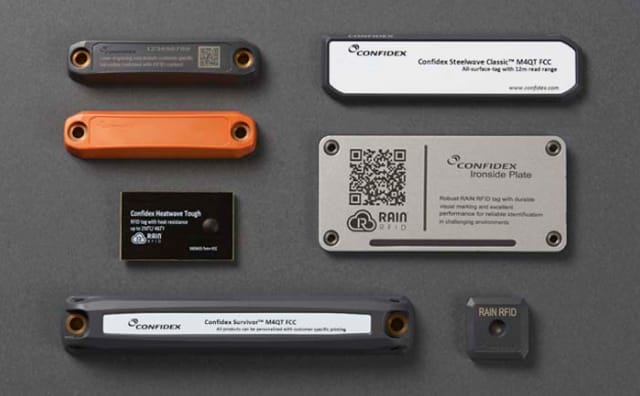
Strong in Harsh Environments Hard Tags
Highly durable with resistance to high temperatures and chemicals, making them suitable for use in manufacturing and healthcare.
Basic InformationReading Method Variations
RFID enables simultaneous high-speed reading of multiple tags, allowing for efficient inventory management.
Here are some representative reading methods.
Here are some representative reading methods.
| Batch Reading | Reads all tags within radio wave range simultaneously. Since there is no need to check items one by one as with barcode scanning, inventory management in warehouses and stores is dramatically accelerated. |
|---|---|
| Communication Distance Adjustment | It is possible to read tags at long distances or selectively read only those at short distances. This is suitable for managing products at high locations or reading only specific nearby products. |
| Filtering Function | Only tags with specific codes written to them can be read, enabling data acquisition limited to necessary categories or products. |
Product IntroductionTentac Product Introduction
- 1150 Implementation Cases
- 2Supporting a Wide Variety of Industries and Applications
- 3Enhance Corporate Image with
Environmentally Conscious RFID - 4Providing Cost Competitiveness
Through Large-Scale Production - 5Rapid and Flexible Support System
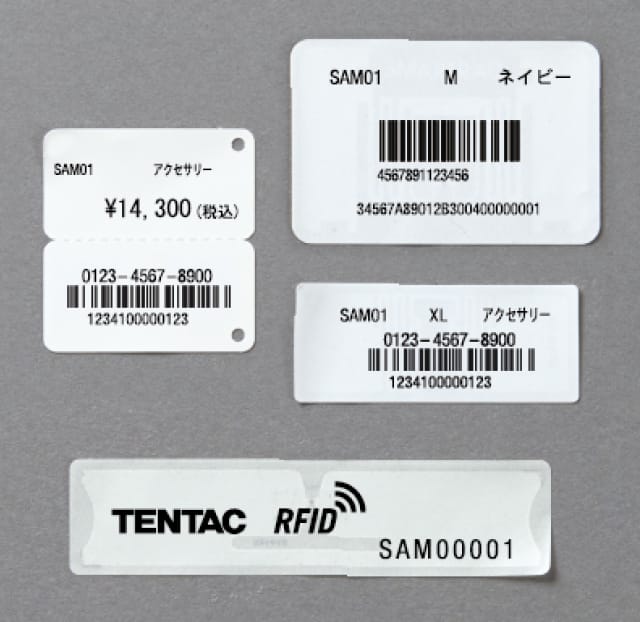
RFID Seals (Labels)
This is a versatile, seal-type RFID that can be used in a variety of industries and applications, not just the apparel industry.
特長
A key feature of this product is its flexibility and adaptability to various objects, even in industries other than apparel. It can accommodate a wide range of needs, making it suitable for various business scenarios.
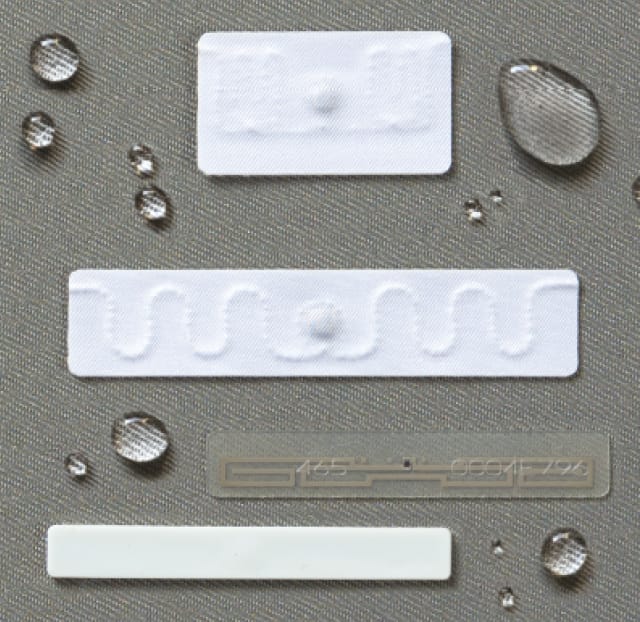
Laundry Tags & Soft Linen Tags
This RFID tag is designed to withstand harsh environments such as washing and high-pressure dehydration.
特長
Specializing in linen and textile products, these tags are designed to withstand washing and repeated use. They offer efficiency and durability in the cleaning industry and hotel linen management.
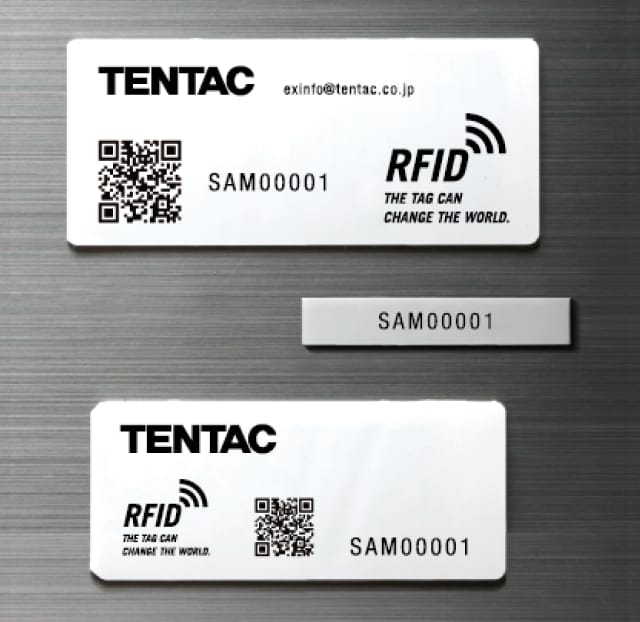
Metal-compatible tags
These specialized tags maintain stable reading performance even when attached to metal products or surfaces.
特長
Ideally suited for use in metal environments, they provide an effective solution for managing industrial products.
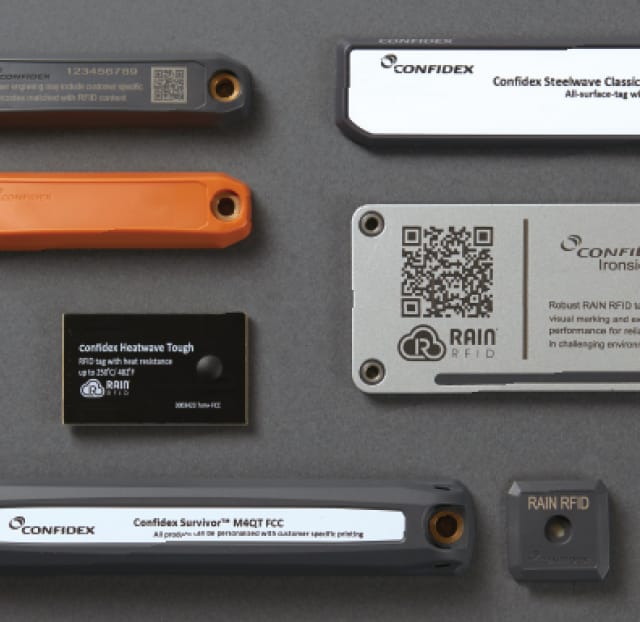
Hard Tag
Robust RFID tags designed for use in harsh environments, offering excellent dustproof and chemical resistance.
特長
Highly durable and reliable as a management tool, capable of withstanding the harsh conditions required in manufacturing and industrial environments.
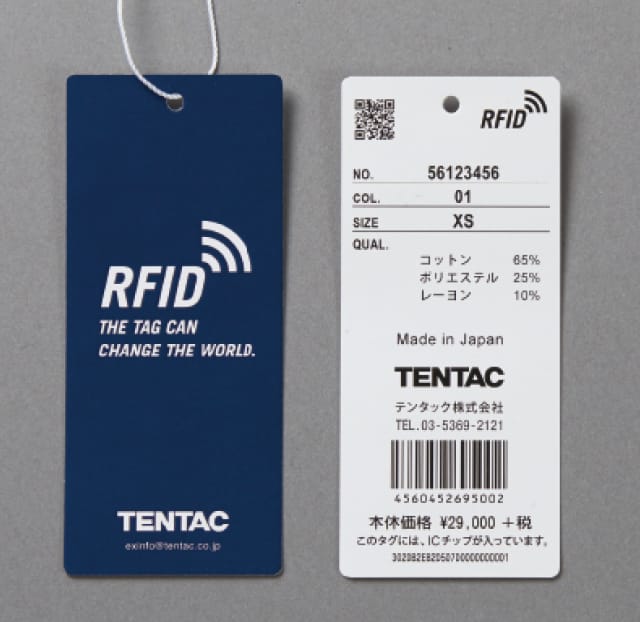
RFID tags
RFID tags are essential brand tags in the apparel industry.
特長
Customization is possible to enhance brand image. We provide tags that add value to products through high design and attention to detail.
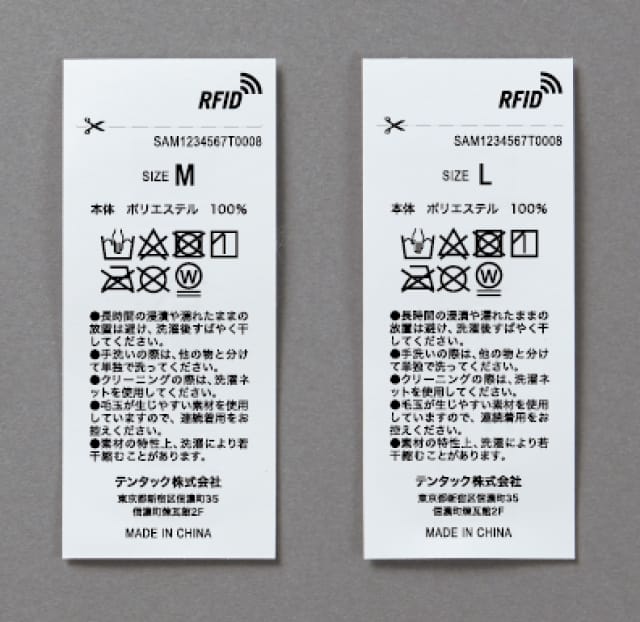
RFID Care Labels
These are provided in the form of care labels that are sewn directly into the product, playing an important role in product management.
特長
While incorporating RFID, they also function as regular care labels and are sewn directly onto the product, providing a specification that can be used with confidence, such as preventing the tag from falling off.
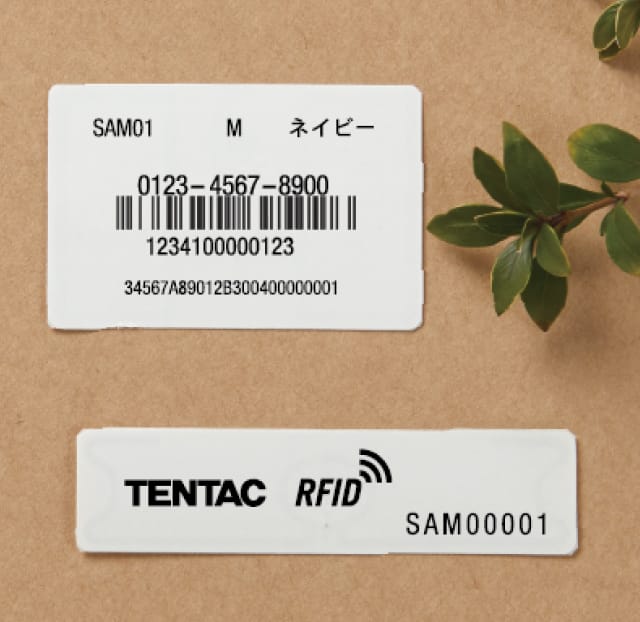
Eco Products
This is a lineup of RFID products using environmentally friendly materials, including BEONTAG's ECO RFID series.
特長
It is supported by companies that are conscious of sustainability because it allows them to utilize RFID technology while reducing environmental impact.